
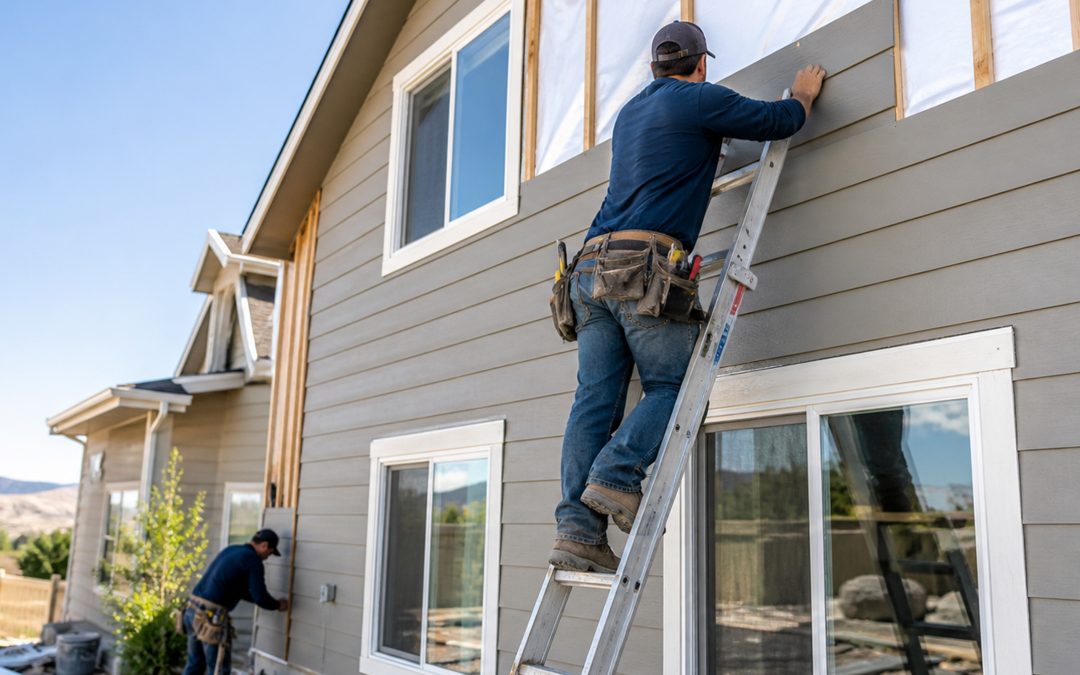
Full siding replacement in Parker is one of the most effective ways to protect your home, improve curb appeal, and increase long-term property value. If your siding is cracked, faded, warped, loose, or damaged by Colorado weather, replacing it can give your home a stronger exterior and a fresh, updated look.
For homeowners, property managers, real estate investors, contractors, and builders in Parker, Castle Rock, Highlands Ranch, and Centennial, understanding the siding replacement process can make the project feel much easier. When you know what to expect before, during, and after installation, you can plan with confidence and avoid surprises.
Why Full Siding Replacement in Parker Matters
Parker homes face a wide range of weather conditions throughout the year. Strong sun, hail, snow, wind, rain, and seasonal temperature swings can all wear down exterior materials over time. When siding begins to fail, your home may become more vulnerable to moisture intrusion, energy loss, pest problems, and structural damage.
A full siding replacement does more than improve appearance. It helps strengthen your home’s exterior envelope, reduce maintenance needs, and support better insulation and comfort. For homeowners planning renovations or preparing a property for resale, new siding can also make a powerful first impression.
Full siding replacement can help:
- Protect your home from weather-related damage
- Improve curb appeal
- Increase property value
- Reduce exterior maintenance
- Address hidden moisture or wall damage
- Improve energy efficiency when paired with proper insulation
- Create a cleaner, more modern exterior design
Step 1: The Initial Siding Inspection
The first step in a full siding replacement project is a professional inspection. A contractor will evaluate your current siding, trim, windows, exterior walls, and any visible damage.
During this inspection, the contractor may look for:
- Cracked, warped, or loose siding
- Faded or brittle materials
- Moisture damage
- Mold or mildew
- Soft or rotting trim
- Gaps around windows and doors
- Storm or hail damage
- Areas where siding has pulled away from the home
This inspection helps determine whether your home truly needs full siding replacement or if repairs are enough. In many cases, widespread damage or aging materials make replacement the better long-term solution.
Step 2: Choosing the Right Siding Materials
After the inspection, the next step is selecting siding materials that match your home, budget, and performance goals. Parker homeowners should choose materials that can handle Colorado’s changing weather while also improving the look of the property.
Popular siding considerations include:
- Durability
- Maintenance requirements
- Color and texture
- Energy performance
- Weather resistance
- Warranty coverage
- Compatibility with your home’s architecture
A trusted local contractor can help you compare options and choose siding that fits your goals. Whether you want a classic, modern, or low-maintenance exterior, the right material selection is an important part of the project.
Step 3: Planning the Project Timeline
Before work begins, your contractor should explain the project schedule, expected work areas, and preparation steps. The timeline can vary depending on the size of your home, the siding material, weather conditions, and whether additional repairs are needed.
For homes in Parker, Castle Rock, Highlands Ranch, and Centennial, weather can sometimes affect exterior remodeling schedules. Wind, snow, rain, or extreme temperatures may require adjustments to keep the installation safe and effective.
Good communication helps homeowners understand what will happen each day and how to prepare the property before crews arrive.
Step 4: Preparing Your Home for Full Siding Replacement
Before installation begins, you may need to prepare the inside and outside of your home. Most preparation is simple, but it can help the project move smoothly.
Homeowners should consider:
- Moving patio furniture, grills, planters, and decorations away from exterior walls
- Trimming shrubs or landscaping near the home
- Removing fragile items from walls inside the home
- Clearing driveway or access areas for work crews
- Keeping pets and children away from the work zone
- Letting neighbors know about the project if needed
Because siding replacement involves removing old materials and using tools around the exterior, some noise and vibration should be expected.
Step 5: Removing the Old Siding
Once the project begins, crews will remove the existing siding. This step allows the contractor to see the condition of the wall surface underneath.
Old siding removal is important because it can reveal hidden problems, such as:
- Water damage
- Rotting sheathing
- Mold or mildew
- Insect damage
- Poor previous installation
- Damaged house wrap
- Insulation gaps
If hidden damage is discovered, it should be addressed before new siding is installed. This ensures the new siding has a solid, properly prepared surface and helps protect your home for years to come.
Step 6: Repairing and Preparing the Exterior Walls
After the old siding is removed, the contractor will prepare the exterior walls. This may include replacing damaged sheathing, improving moisture barriers, sealing gaps, or installing house wrap.
This step is critical because siding is only as effective as the surface and weather protection behind it. Proper preparation helps prevent water intrusion, air leaks, and future performance issues.
If you are also considering window installation, this is a good time to discuss it with your contractor. Coordinating windows and siding together can help improve flashing, sealing, trim details, and the overall finished appearance.
Step 7: Installing the New Siding
Once the home is prepared, crews begin installing the new siding. Professional installation is essential for long-term performance. Siding must be properly aligned, secured, sealed, and finished around corners, windows, doors, vents, and trim.
During this stage, installers focus on:
- Straight, even siding lines
- Secure attachment
- Proper spacing for material movement
- Moisture protection
- Clean trim details
- Professional finishing around openings
- Consistent appearance across the home
Quality craftsmanship matters. Even premium materials can fail if they are not installed correctly.
Step 8: Trim, Details, and Final Finishing
After the main siding is installed, crews complete the finishing details. This may include trim around windows and doors, corner boards, soffits, fascia, caulking, and cleanup.
These finishing touches have a major impact on curb appeal. Clean trim work helps your new siding look polished and complete. It also helps protect vulnerable areas where moisture and air can enter.
For homeowners planning siding and window replacement, coordinating these details is especially important. Proper sealing and finishing around windows can improve both appearance and energy efficiency.
Step 9: Final Walkthrough and Cleanup
A professional siding replacement project should end with a final walkthrough. Your contractor should review the completed work, answer questions, and make sure the project meets expectations.
During the final walkthrough, check for:
- Clean siding lines
- Proper trim installation
- Finished corners and edges
- Sealed areas around windows and doors
- Removed debris
- Clean work areas
- Any remaining touch-ups
This is also a good time to ask about maintenance recommendations and warranty information.
Common Mistakes to Avoid During Full Siding Replacement
To get the best results from full siding replacement in Parker, avoid these common mistakes:
- Choosing based only on price
The lowest quote may not include the best materials, preparation, or workmanship. - Ignoring hidden damage
Covering damaged walls with new siding can lead to bigger problems later. - Skipping professional installation
Improper installation can cause moisture intrusion, warping, and early failure. - Not considering windows at the same time
If your windows are drafty or outdated, combining siding and window replacement may be more efficient. - Hiring a contractor without local experience
Homes in Parker, Castle Rock, Highlands Ranch, and Centennial need materials and installation methods suited for Colorado weather.
Why Choose Home Design Exteriors?
Home Design Exteriors is a trusted local expert for full siding replacement in Parker and surrounding communities. We help homeowners, property managers, landlords, real estate investors, contractors, and builders improve exterior protection, curb appeal, and long-term property value.
Our services include:
- Full Siding Replacement
- Siding and Window Replacement
- Window Installation
- Residential and commercial exterior remodeling
- Energy-efficient exterior upgrades
- Durable materials and professional craftsmanship
Whether your siding is damaged, outdated, storm-worn, or no longer protecting your home properly, Home Design Exteriors provides reliable guidance and high-quality results.
Schedule Your Free Full Siding Replacement Consultation Today
A full siding replacement project in Parker does not have to be overwhelming. With the right contractor, clear communication, durable materials, and professional installation, your home can look better, perform better, and stay protected for years to come.
Contact Home Design Exteriors for expert siding and window replacement services tailored to their home improvement needs